


Blog
Retail at the Speed of Now: Overcoming Legacy Limits with D365 Finance & Supply Chain Management
Written by
Vinay Punjabi /  May 8, 2026


Summary
As retail becomes more complex and cost sensitive, legacy ERP systems are struggling to keep up with omnichannel demands and supply chain volatility. This blog explores how modernising with platforms like Dynamics 365 enables retailers to improve visibility, connect operations, and build a stronger data foundation for scalable growth in 2026.
Retail has never been more demanding or unforgiving. Retailers encounter omnichannel expectations, cost-conscious consumers, and ongoing supply disruptions, all while facing pressure to accomplish more with less. Legacy ERP systems, built for a slower era, can no longer keep pace. Gartner forecasts global retail IT spending will reach $232.8 billion in 2026, highlighting the urgency to modernise core systems and data foundations.
The gap between current operations and what’s needed is widening. Disconnected shop floor systems, limited inventory visibility, fragmented financials, and siloed vendor data slow decisions and constrain growth. For multi-site retailers, these inefficiencies scale quickly.
This is where Microsoft Dynamics 365 Finance and Supply Chain Management for retail comes in. It unifies finance and supply chain on a single cloud platform, delivering real-time visibility, AI-driven insights, and stronger operational control to support scalable, sustainable growth.
Let’s break down the key operational gaps and how modern ERP addresses them.
The Retail Supply Chain Challenge
Running a retail operation today means managing constant complexity across inventory, demand, locations, and suppliers. The cost of getting it wrong is high. The National Retail Federation estimates stockouts alone cost retailers nearly $1 trillion globally each year, while overstock ties up working capital and warehouse capacity.
Where Things Break Down
The issue is rarely strategy; it’s infrastructure. Many retailers still rely on legacy ERP systems that create:
- Siloed data across stores, warehouses, and suppliers
- Delayed reporting with no real-time visibility
- Limited insight into demand, stock levels, and vendor commitments
- Limited insight into demand, stock levels, and vendor commitments
Without a clear, real-time view, decisions rely on guesswork instead of data.
The Business Impact
These gaps trigger a cycle of reactive operations:
- Rush orders to fix stockouts
- Markdown losses from excess inventory
- Missed sales opportunities
- Strained supplier relationships
Over time, these issues compound and directly impact profitability.
Moving to a Smarter Supply Chain
Breaking this cycle requires systems built for modern retail complexity. Microsoft Dynamics 365 Finance and Supply Chain Management brings procurement, inventory, warehousing, and financials into one connected platform.
For regional businesses, the Dynamics 365 supply chain management Middle East solution delivers real-time visibility and enables faster, more confident decision-making. With this, retailers can move from reactive operations to a more proactive, data-driven approach.
How Microsoft D365 Finance and Supply Chain Management Addresses Retail Challenges in the MENA Region
Dynamics 365 Finance and Supply Chain Management for retail is not a single tool, but a connected platform built to replace fragmented systems with real-time visibility, automation, and control. For retailers operating across the fast-evolving MENA region, this unified approach is critical to managing complexity at scale.
Inventory and Warehouse Management
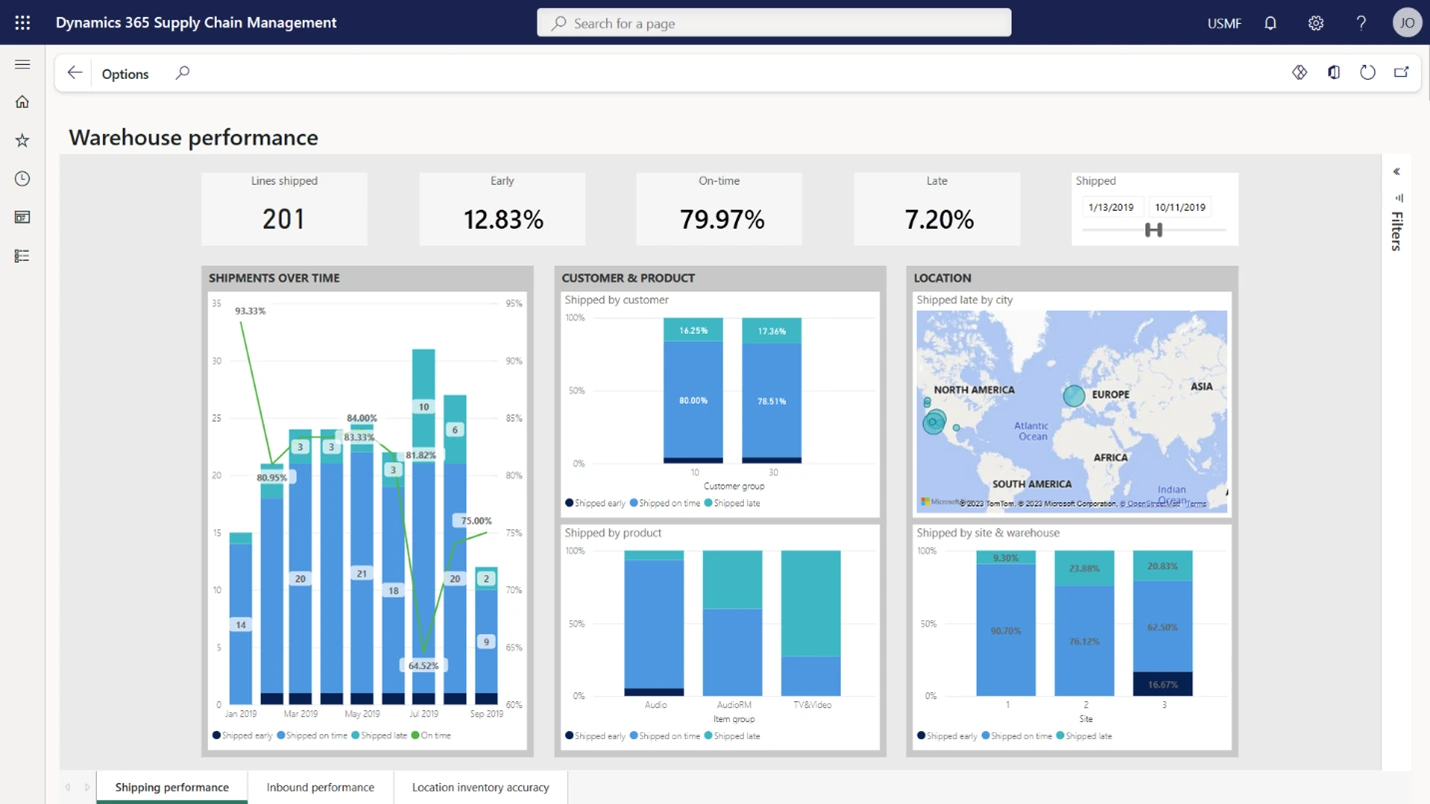
Retailers need a clear, real-time view of inventory across stores and warehouses. Microsoft Dynamics ERP for the retail industry in MENA enables centralised tracking, flexible warehouse configurations, and better control over stock movement. Whether they are managing a single outlet or multiple distribution centers, teams gain the visibility needed to maintain service levels while avoiding excess inventory.
Demand Forecasting and Planning
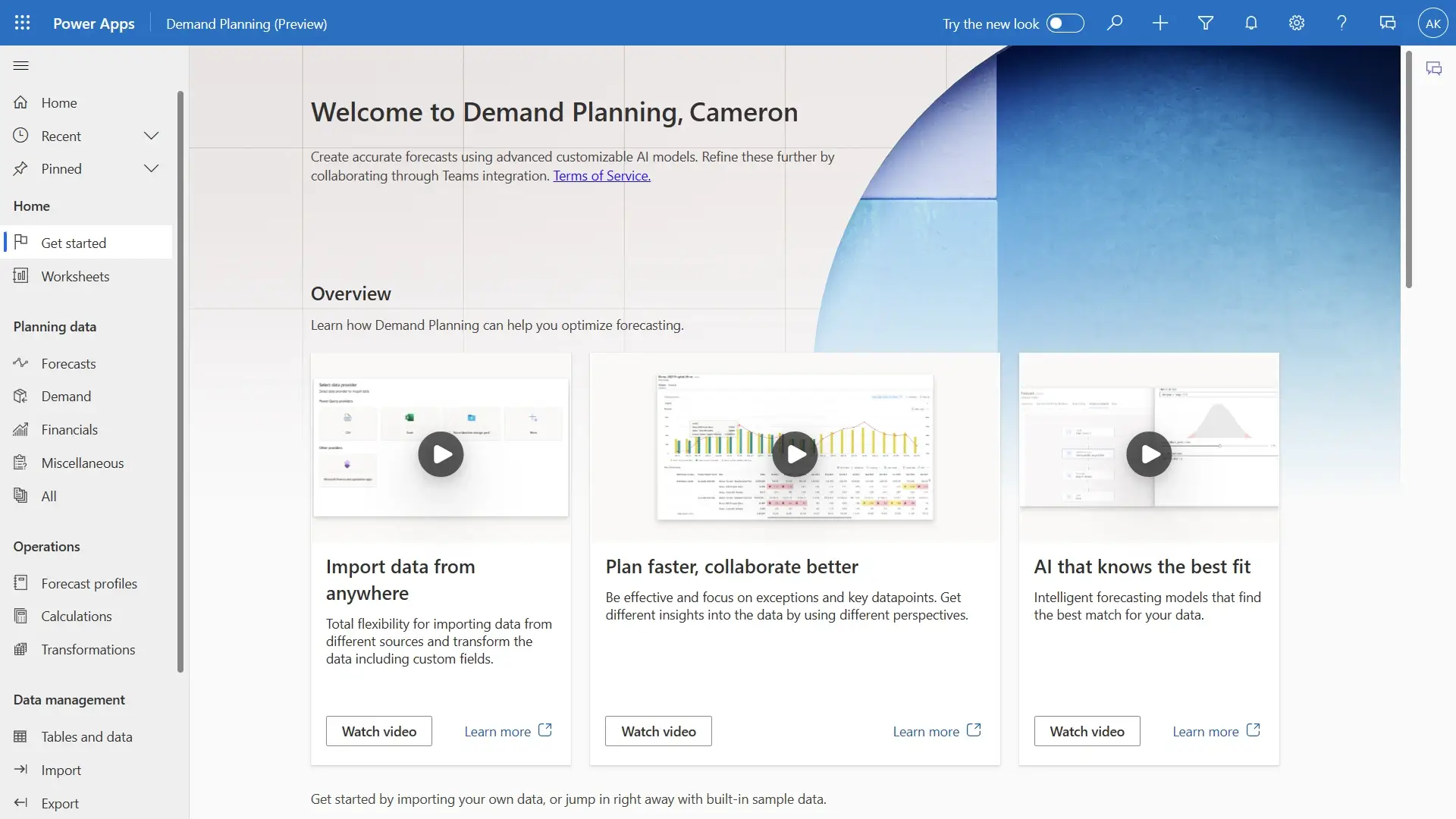
Retail demand is rarely predictable, especially with seasonal spikes and promotional cycles common across MENA markets. Dynamics 365 Finance and Supply Chain Management brings demand forecasting, procurement, and inventory planning into one system, supported by AI-driven insights. This allows retailers to respond faster to demand shifts while reducing both stockouts and overstock.
Procurement and Vendor Management
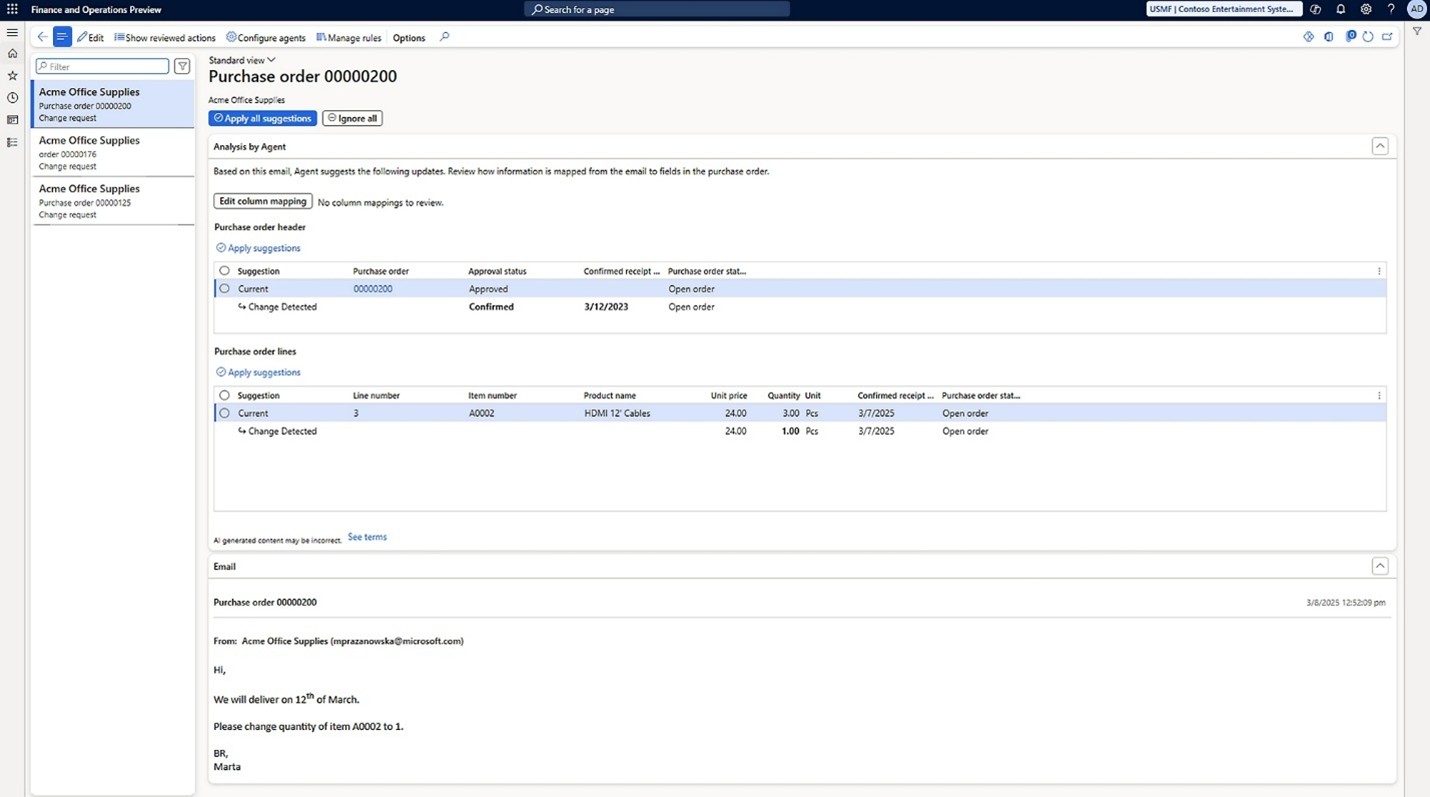
Supplier coordination across regions can quickly become complex. Dynamics 365 Finance and Supply Chain Management for retail streamlines procurement workflows, contract management, and vendor collaboration through a centralised system. With improved visibility into supplier commitments and performance, retailers can reduce delays and build more reliable vendor relationships.
Financial Management and Multi-Entity Reporting
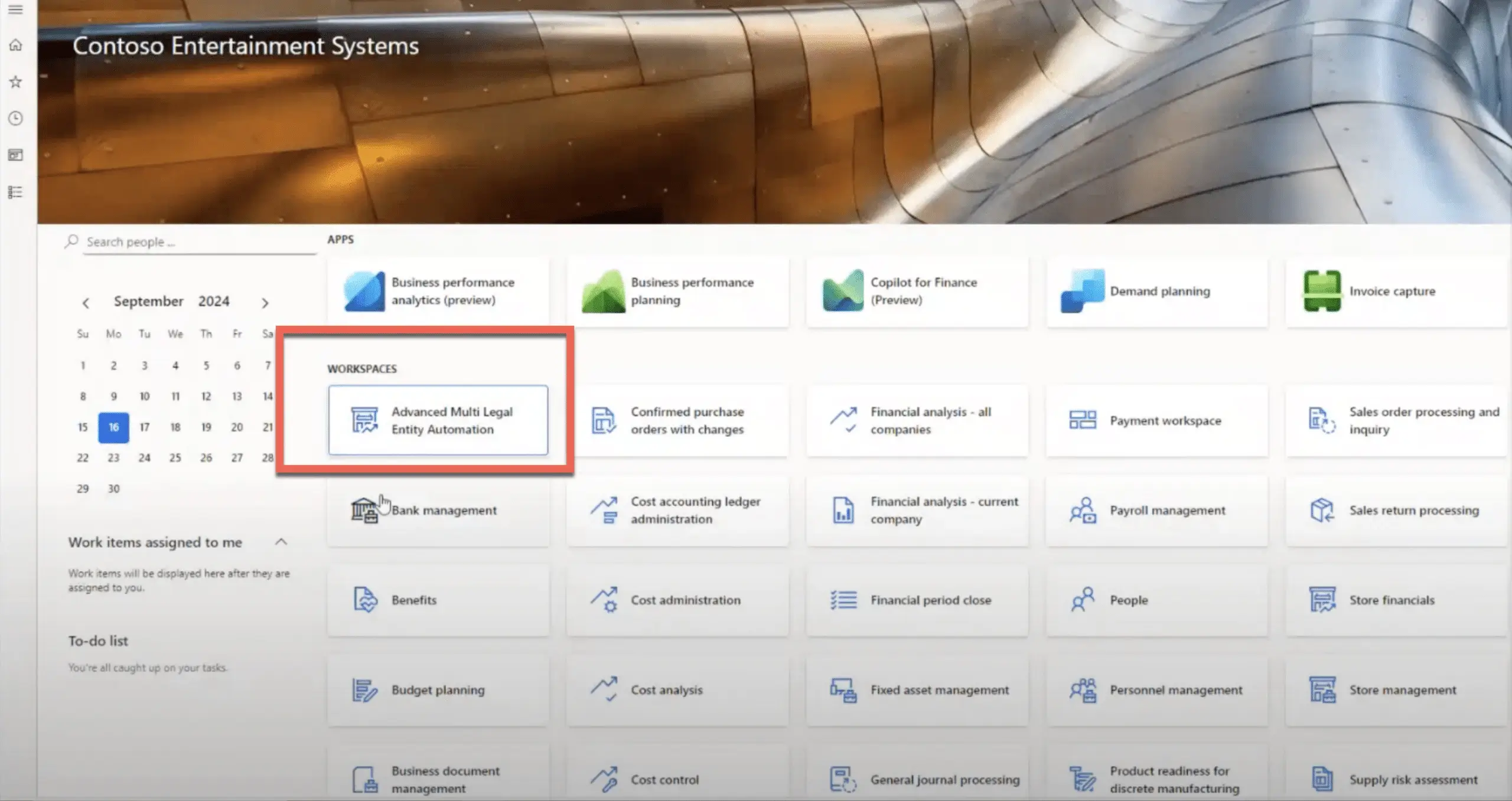
For retailers operating across multiple countries, financial clarity is essential. Dynamics 365 Finance and Supply Chain Management unifies financial data across entities, currencies, and regions, enabling faster close cycles and more accurate reporting. Finance teams no longer need to reconcile disconnected systems, gaining a single, reliable source of truth.
5. Omnichannel and Connected Commerce
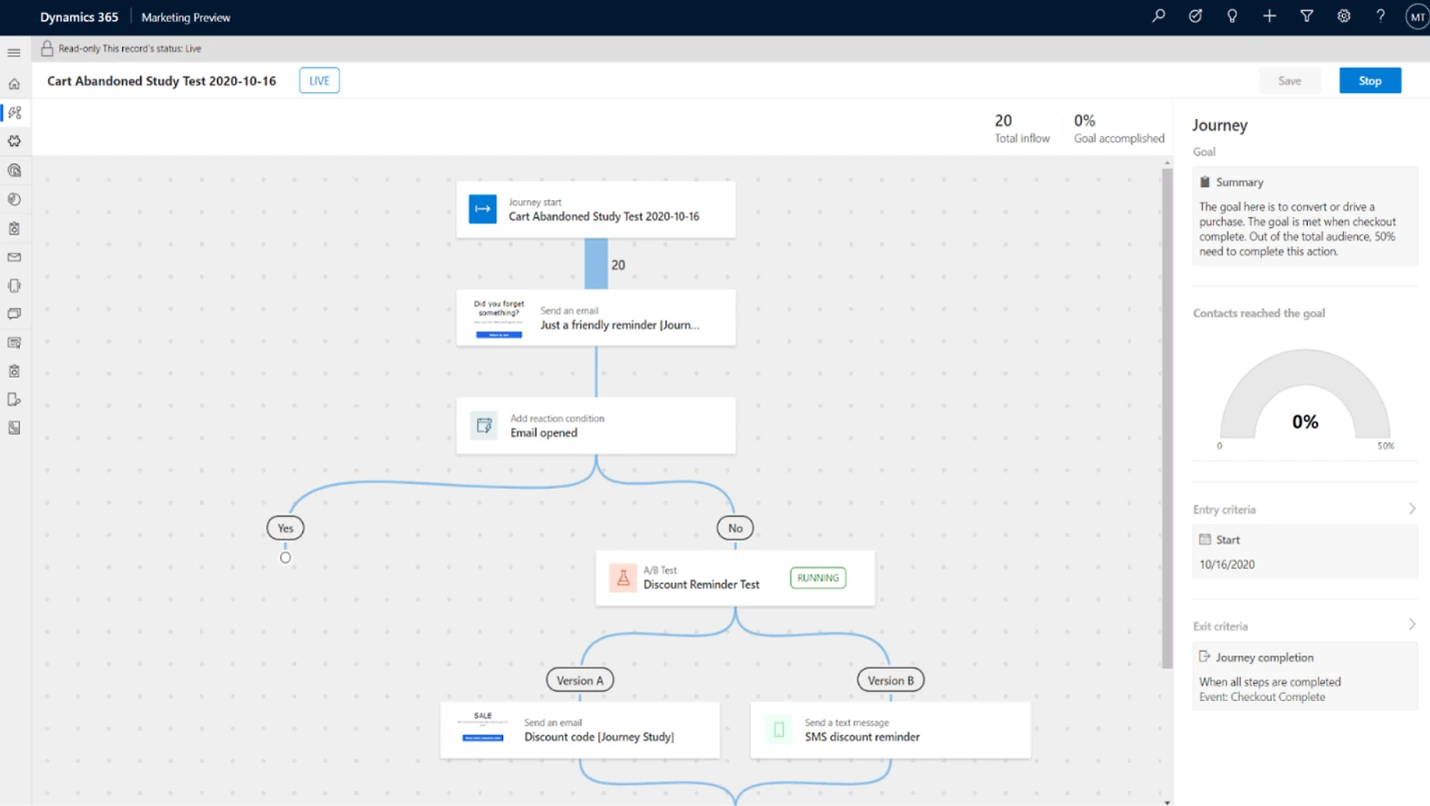
Modern retail spans physical stores, eCommerce platforms, and mobile channels. Dynamics 365 Finance and Supply Chain Management supports these capabilities through an API-first architecture that connects all sales channels to a central system. This ensures every transaction flows into the same operational and financial backbone, enabling consistent and unified customer experience.
AI and Copilot: The Intelligent Edge
With Microsoft Copilot embedded across workflows, Dynamics 365 adds an intelligent layer to both finance and supply chain operations. It helps automate routine processes, improve forecasting accuracy, and proactively flag potential disruptions. For retail teams, this translates into faster decisions, fewer manual errors, and more time focused on strategic priorities.
Why Microsoft Dynamics 365 Finance and Supply Chain Management Is the Right Fit for MENA Retailers
1. Market Scaling Fast
The MENA retail landscape is expanding rapidly, driven by a young, digitally connected population, rising disposable incomes, and ongoing economic reforms. For retailers, this creates both opportunity and pressure to scale efficiently across markets, currencies, and operations.
2. Compliance is No Longer Optional
Regulatory complexity is accelerating across the region. Saudi Arabia processed over 8.2 billion e-invoices in 2025, while the UAE is advancing mandatory e-invoicing for VAT-registered businesses. (Source: Zakat, Tax and Customs Authority (KSA), UAE Ministry of Finance)
For retailers operating across the UAE, KSA, Egypt, or Qatar, compliance is not optional. ERP systems must handle taxation, currency, and localisation seamlessly.
3. Built for Multi-Country Operations
This is where Dynamics 365 delivers a clear advantage. It supports multi-country operations with built-in capabilities for currencies, languages, and time zones. A retailer headquartered in Dubai can manage AED transactions, run procurement in Saudi riyals, and consolidate reporting across entities without relying on disconnected systems.
4. Aligned with Regional Growth Agendas
Government initiatives such as Saudi Vision 2030, UAE Digital Economy Strategy, and Digital Egypt are accelerating digital adoption and retail expansion across the region.
Built on Microsoft Azure, Dynamics 365 provides a scalable, cloud-native platform that grows with retail businesses as they expand across cities and countries.
5. Local Expertise, Lower Risk
A strong Microsoft partner ecosystem across the UAE, KSA, and Qatar ensures access to local expertise, Arabic language support, and region-specific compliance guidance. This reduces implementation risk and helps retailers go live faster with confidence.
Key Business Outcomes for Retailers
When retailers implement Microsoft Dynamics 365 Finance and Supply Chain Management, the impact shows up across the business, from daily operations to long-term growth.
- Fewer stockouts, less excess inventory: AI-driven forecasting helps you stay ahead of demand shifts, so you’re not reacting to shortages or tying up cash in unsold stock.
- Faster financial close cycles: Automated reconciliation and multi-entity consolidation simplify period-end close, giving finance teams more time for analysis instead of manual work.
- Stronger supplier relationships: Real-time visibility into orders and updates keeps suppliers aligned, reducing delays and improving coordination across the supply chain.
- Consistent omnichannel experiences: Every sale, whether in-store or online, flows through a single system, keeping inventory, orders, and financials in sync.
- Simplified compliance: The platform handles VAT, e-invoicing, and regional regulations, reducing risk across the UAE, KSA, and broader MENA markets.
- Built to scale: As you expand into new markets or channels, the system grows with you, without the need for reimplementation.
Conclusion
From the shop floor to the boardroom, retail success depends on the ability to make the right decision at the right time using accurate, real-time information. Microsoft Dynamics 365 Finance and Supply Chain Management provides a unified, intelligent platform that connects every part of the business, from warehouse operations and vendor management to financial reporting and omnichannel fulfilment.
For retailers across the MENA region, the time to modernise is now. With e-invoicing mandates tightening, consumer expectations rising, and competition accelerating, the cost of staying on legacy systems continues to grow. Retailers that invest in a scalable digital foundation today will be better positioned to lead tomorrow.
Ready to see what Dynamics 365 Finance and Supply Chain Management can do for your retail operations? Request a consultation tailored to your market and assess where your business stands today.
FAQs
At its core, Microsoft Dynamics 365 Finance and Supply Chain Management connects your finance, inventory, supply chain, and sales operations into one system. Instead of juggling multiple tools, retail teams get a single, real-time view of what’s happening across stores, warehouses, and channels.
Unlike generic ERP platforms, Microsoft Dynamics ERP for the retail industry MENA is built to handle regional complexity. That includes VAT rules, e-invoicing requirements, multiple currencies, and multi-country operations across the UAE, Saudi Arabia, and beyond, without heavy customisation.
Retail in the Middle East often means managing multiple locations, fluctuating demand, and diverse supplier networks. Dynamics 365 supply chain management Middle East solutions help retailers stay ahead with real-time inventory visibility, smarter forecasting, and better coordination across the supply chain.
Retailers typically see fewer stockouts, better inventory control, faster financial close cycles, and smoother omnichannel operations. With everything connected, decisions are faster, and teams spend less time fixing issues and more time driving growth.
Yes, and that’s where it stands out. Dynamics 365 Finance and Supply Chain Management for retail is designed to scale with your business, whether you’re opening new stores, entering new countries, or adding new sales channels, without needing to replace your system later.
Categories
- Implementation
- Dynamics Business Central
- Dynamics 365
- Construction365
- Australia
- Artificial Intelligence
- AI Agents in Business
Recent Posts
- AI Agents in Microsoft 365 Copilot: The Future of Intelligent Business Automation
- Price Hiked, Value Locked: The Guide to Business Central Pricing in Australia
- Stop Paying the “On-Prem Tax”: Why Australian SMEs are Pivoting to Business Central SaaS in 2026
- Business Central vs. Xero: The 2026 Decision Guide for Australian Businesses
- Wasting Millions on “Fake” AI: The 2026 Australian Construction Reality Check